

News
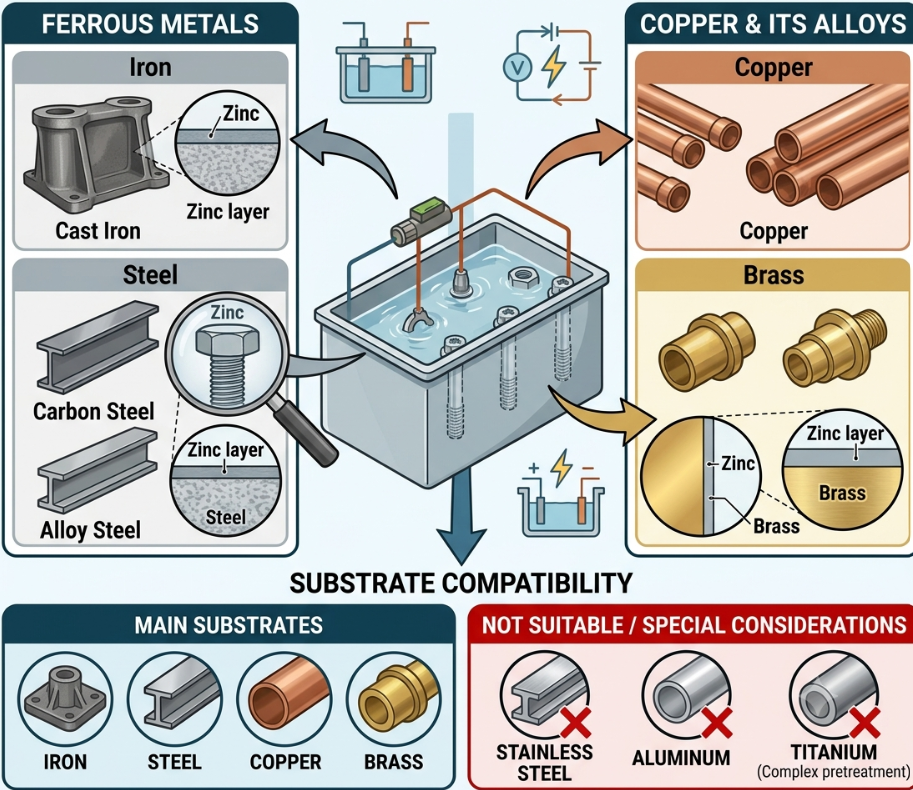
What Metals Can Be Zinc Plated? A Complete Guide to Compatible Materials
Zinc electroplating is one of the most common and cost-effective corrosion protection processes in metal finishing but it is not a universal solution. Zinc plating works through a specific electrochemical mechanism that depends on the substrate metal’s properties, and…
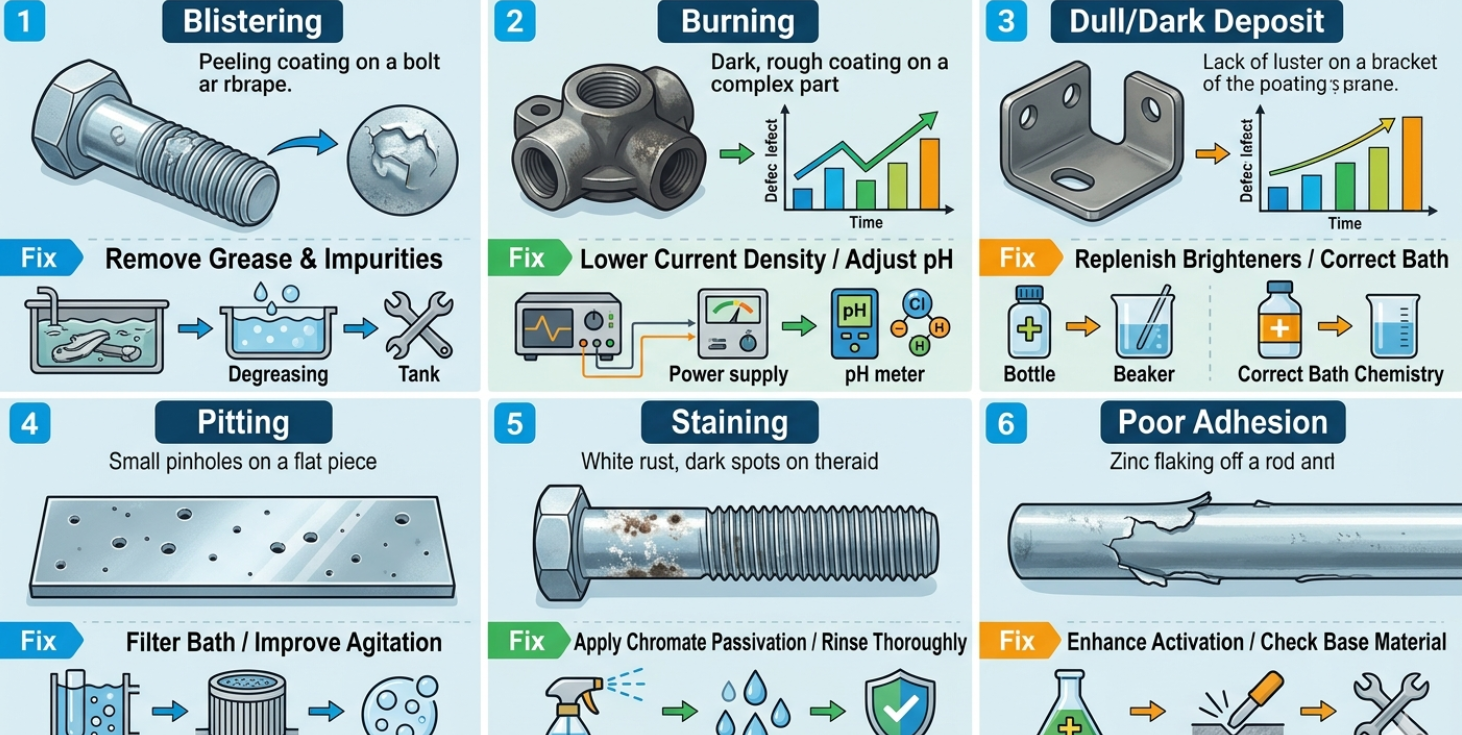
The Complete Guide to Zinc Plating Defects and How to Fix Them
Zinc electroplating is one of the most widely used metal finishing processes in manufacturing. When done correctly, it delivers reliable corrosion protection, a clean metallic appearance, and meets demanding OEM specifications. When done incorrectly, a range of…
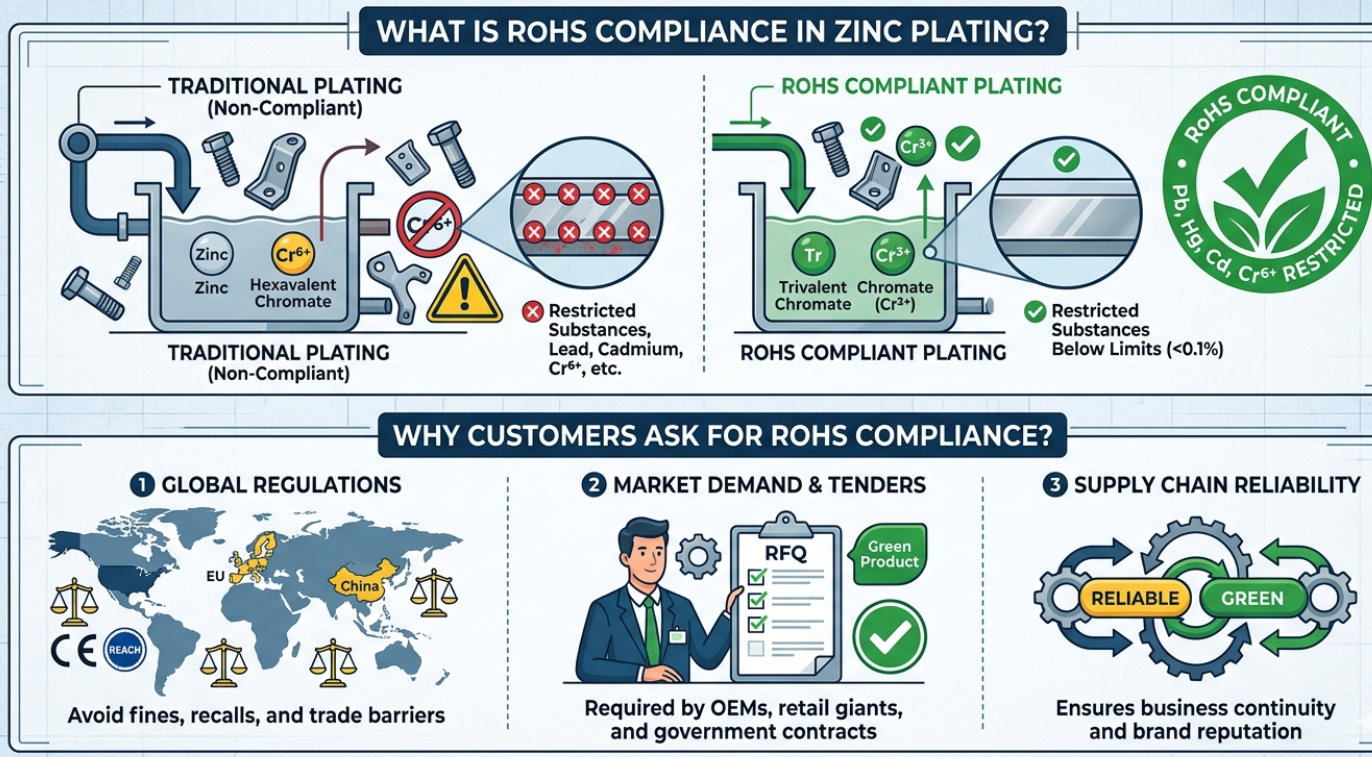
What Is RoHS Compliance in Zinc Plating? And Why Your Customer Is Asking
A purchase order lands on your desk with a new checkbox: “RoHS Compliant Required.” Your plater needs to certify it. Your quality team needs to document it. But what does it actually mean for zinc plating specifically and what changes in the process when…
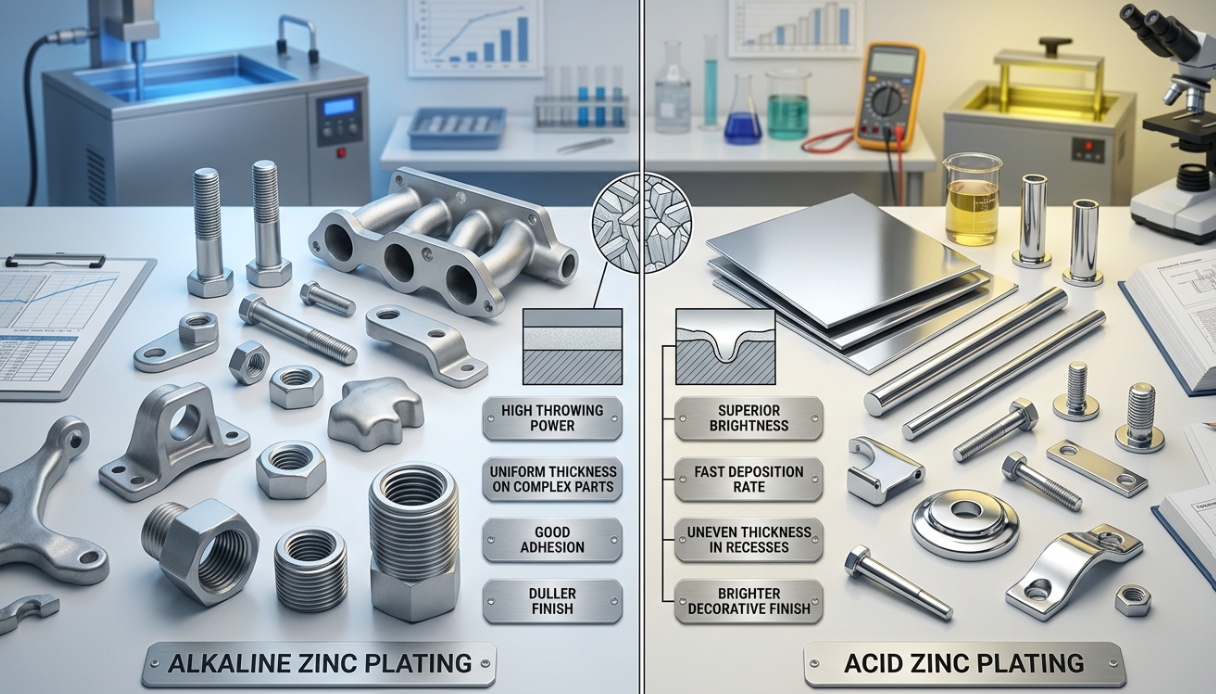
Alkaline vs. Acid Zinc Plating: Which Process Is Right for Your Parts?
Your print says “zinc plate.” Your plater has two process lines. The choice between alkaline and acid zinc plating affects deposit distribution, hydrogen embrittlement risk, appearance, adhesion performance, and critically whether your part will hold up in…
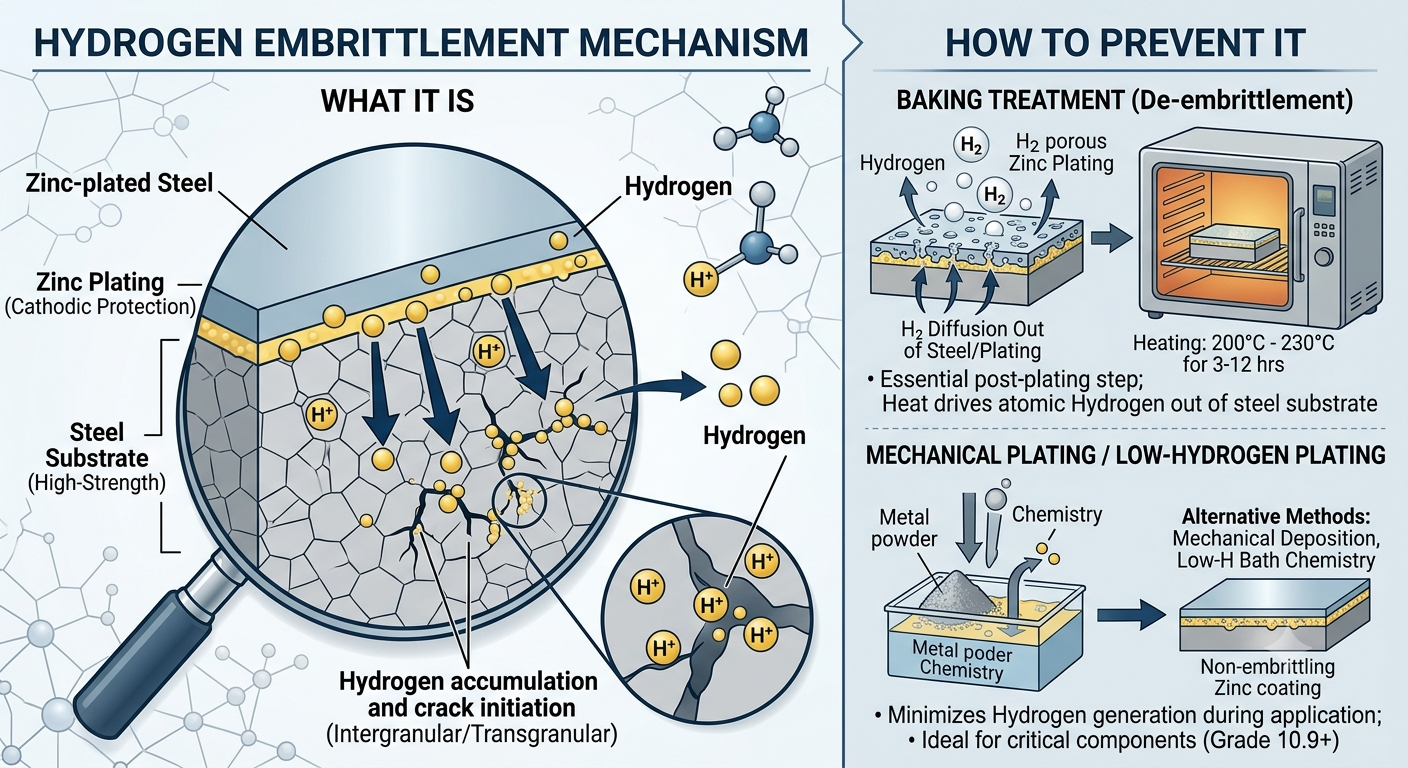
Hydrogen Embrittlement in Zinc Plating: What It Is and How to Prevent It
A fastener that passes every inspection before it ships then snaps under normal operating load weeks later. Hydrogen embrittlement is the silent failure mode that can turn a compliant zinc-plated part into a field disaster. Here’s the complete engineering and…
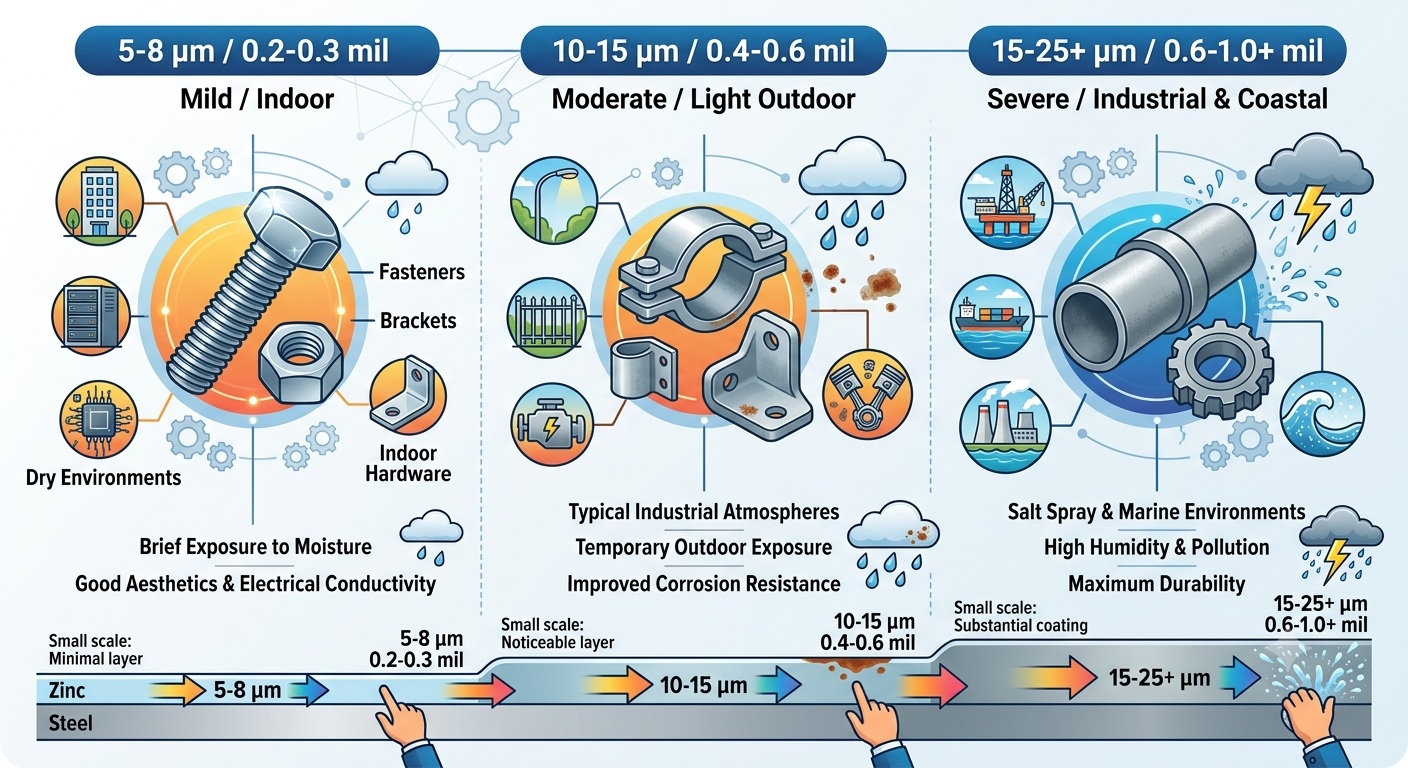
Zinc Plating Thickness: How Much Do You Actually Need?
Specifying zinc plating thickness seems simple until you’re staring at a drawing that says “zinc plate per ASTM B633” and nothing else. Too little zinc and your parts fail before they reach your customer. Too much and you’re paying for…
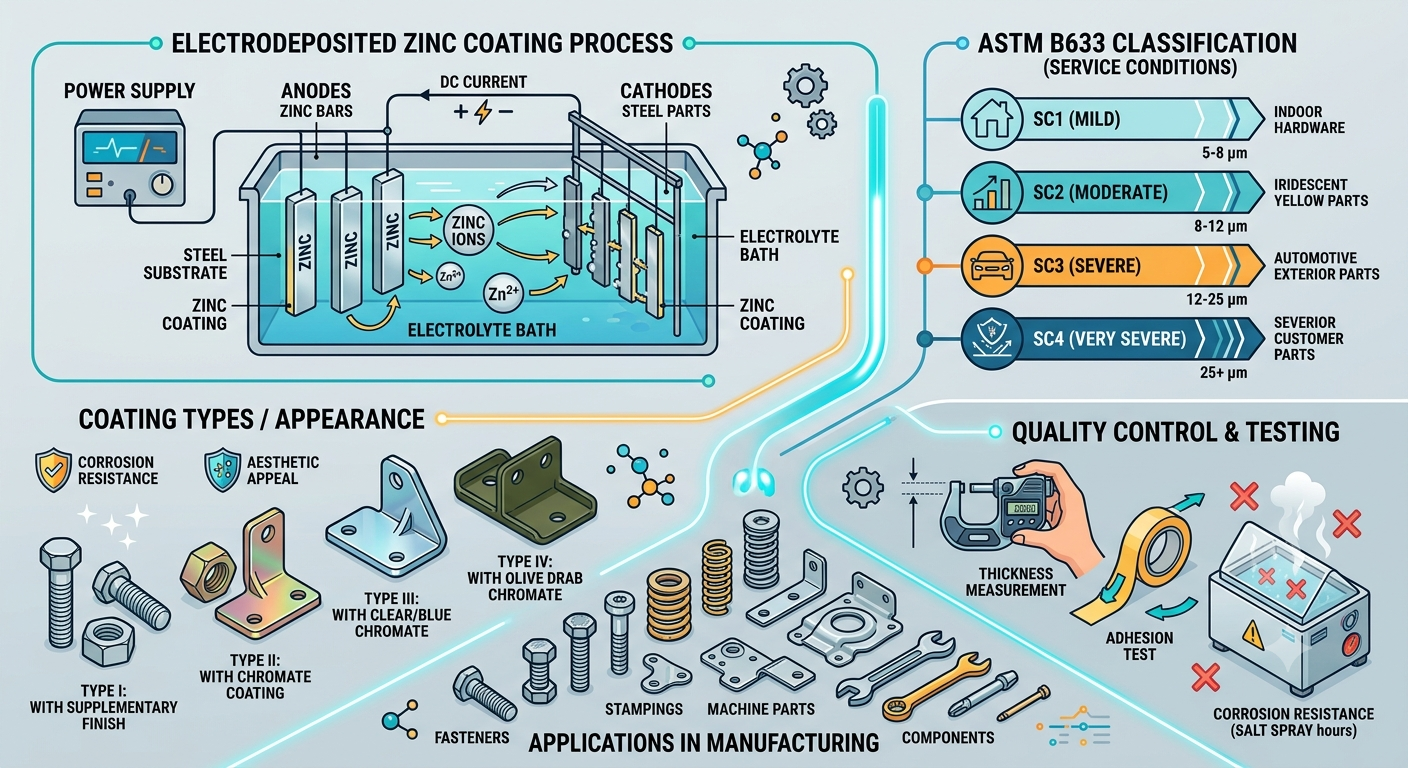
What Is ASTM B633? A Complete Guide for Manufacturers
If your parts are zinc-plated, ASTM B633 is the standard governing how that plating performs. This guide explains everything manufacturers need to know what the standard covers, how to read service class designations, how to choose the right finish type, and how to…
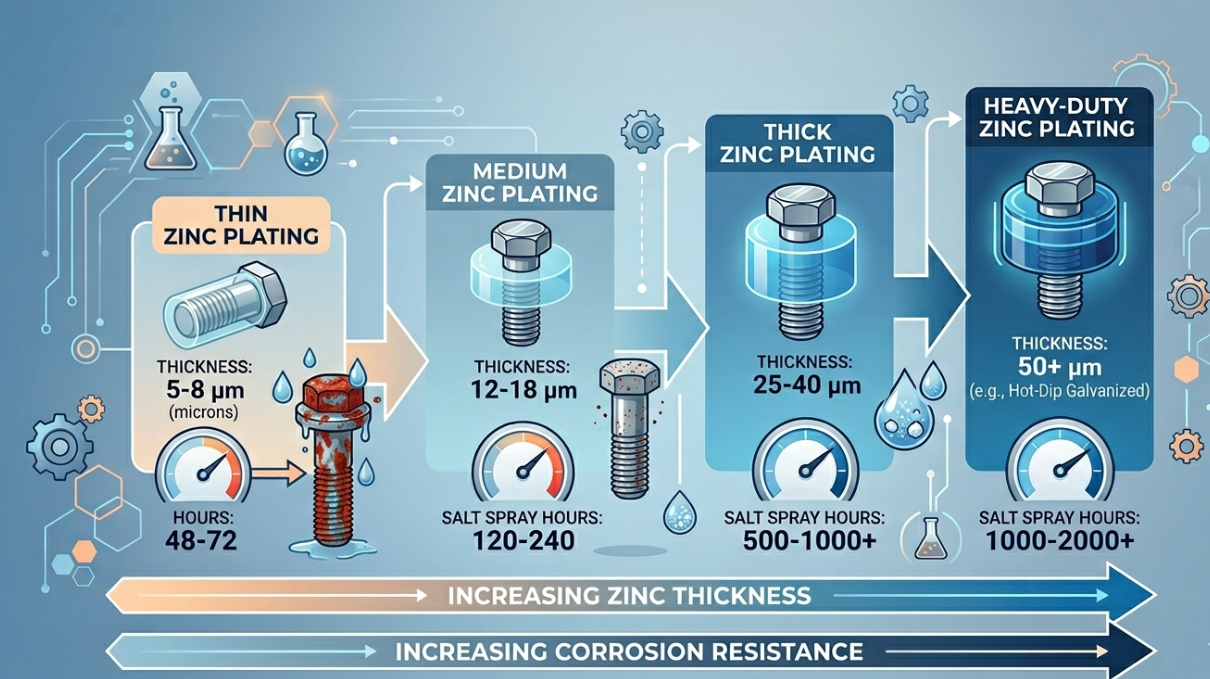
Corrosion Resistance Ratings: How Zinc Plating Thickness Affects Salt Spray Hours
A rigorous, data-driven reference for engineers and quality managers who need to understand the relationship between zinc coating thickness, passivate chemistry, sealer selection, and the salt spray performance their parts will actually deliver mapped against ASTM…
How to Choose Between Barrel and Rack Zinc Plating for High-Volume Orders
Your order volume is locked in. Your part drawing is finalized. Now comes the question that determines your per-part cost, lead time, quality floor, and delivery reliability for the life of the program: barrel or rack? This guide gives you the exact framework to…
Mechanical Galvanizing vs. Electroplating: Which Is Better for Fasteners
A no-nonsense head-to-head breakdown for fastener buyers, engineers, and procurement managers evaluating two proven zinc coating processes so you choose the right one before your parts go into production, not after a field failure. If you are sourcing zinc-coated…
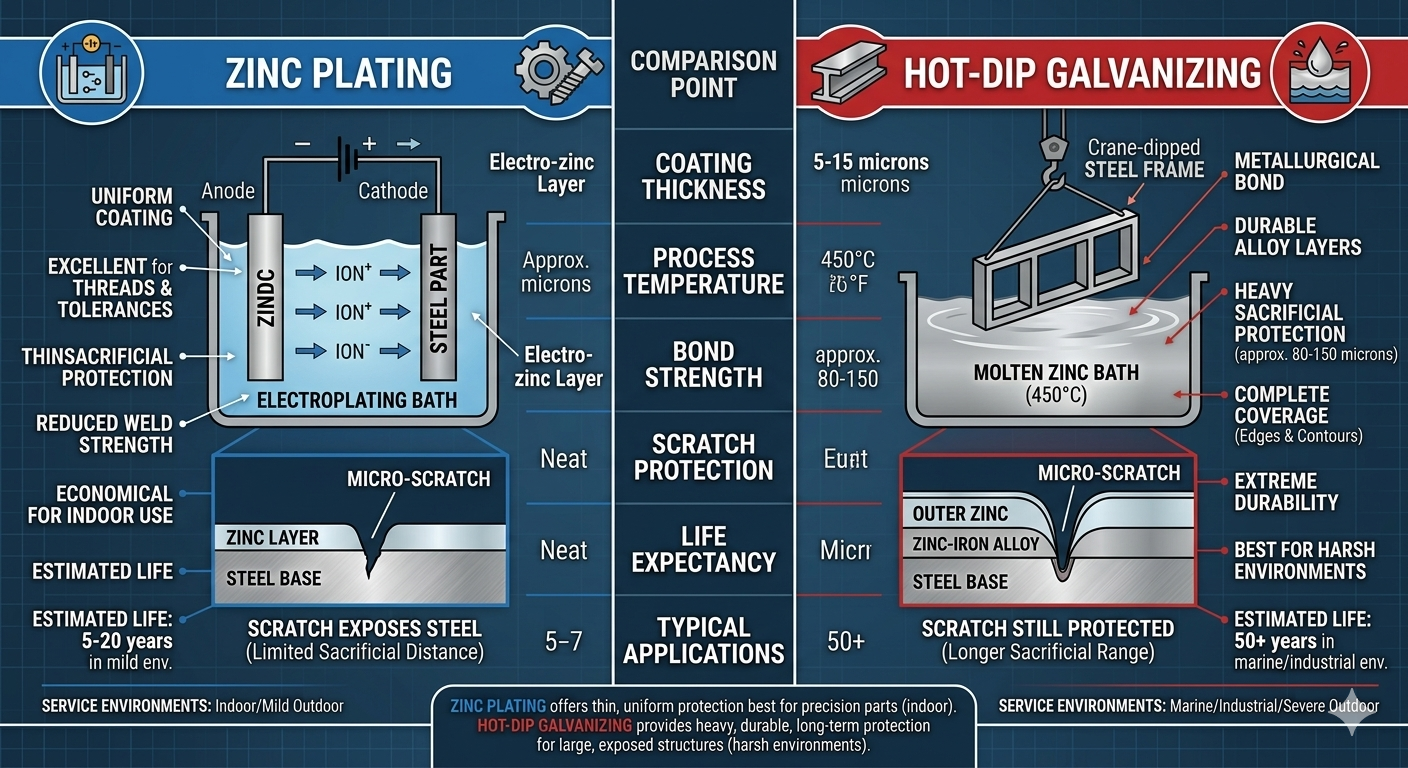
Zinc Plating VS Hot-Dip Galvanizing: Which Protects Steel Better
Both processes deposit zinc on steel. Both deliver sacrificial corrosion protection. But they serve fundamentally different applications — and choosing the wrong one for your parts means either over-engineering your cost structure or under-delivering on service life….
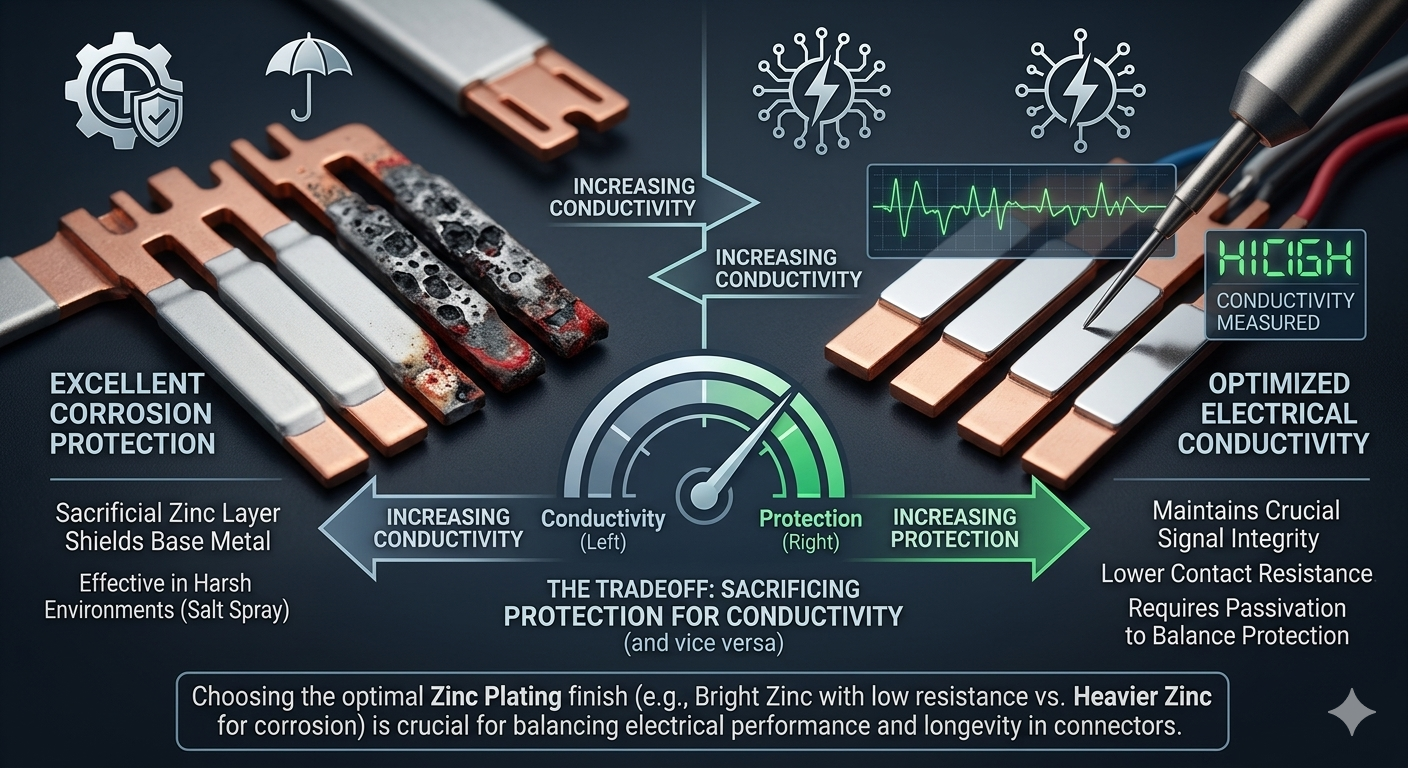
Zinc Plating for Electrical Components & Connectors: Conductivity vs. Protection
Zinc plating is one of the most effective corrosion barriers available for steel components — but steel isn’t the only material in an electrical assembly, and corrosion isn’t the only failure mode engineers have to design around. When zinc plating is…
Contact Us
Send us an email.