

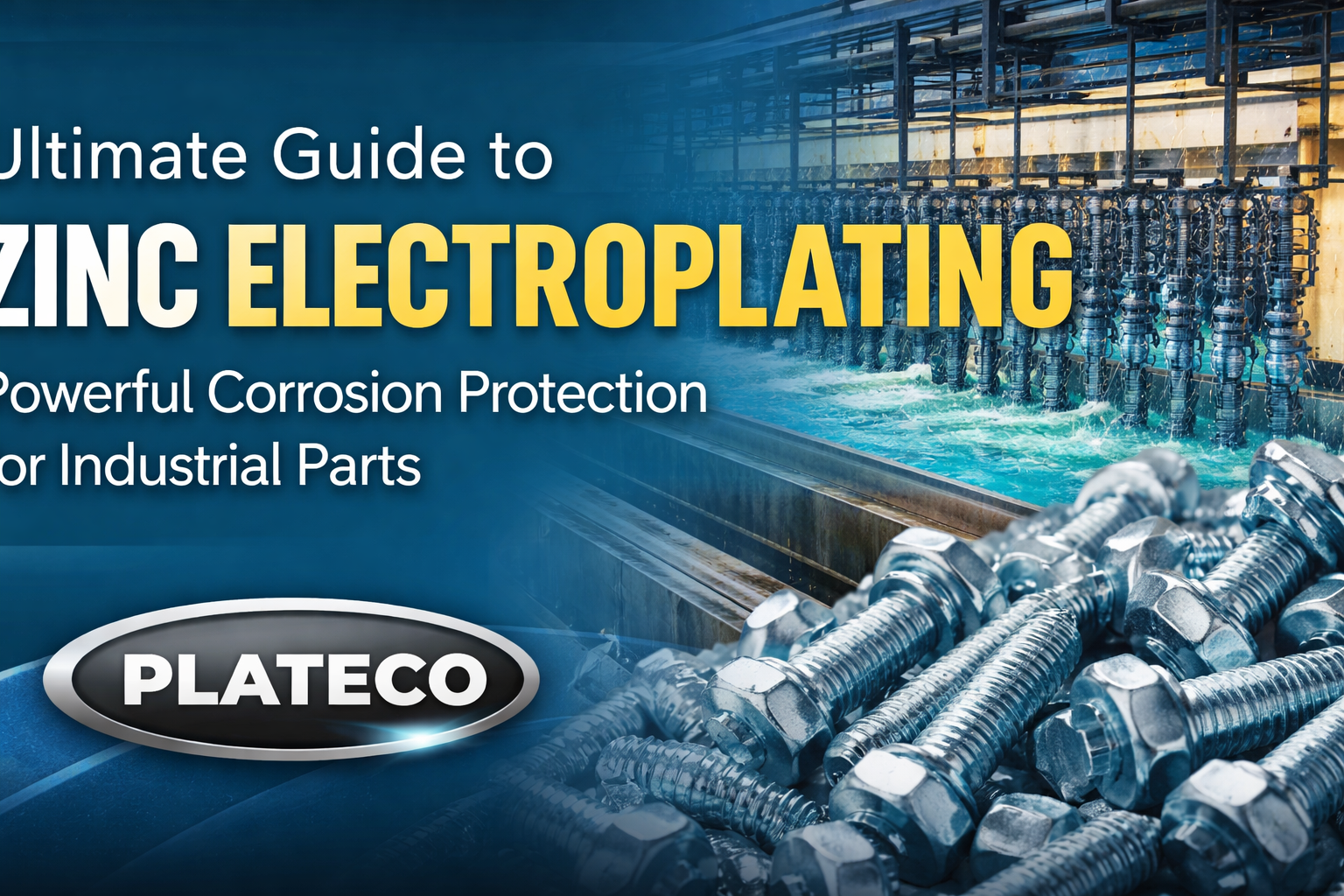
Zinc electroplating is one of the most widely used metal finishing processes in modern manufacturing. From automotive fasteners to construction hardware, it plays a critical role in protecting steel components from corrosion while enhancing durability and performance. Yet, despite its widespread use, many businesses underestimate the complexity and importance of doing zinc plating correctly.
This article is designed as, meaning it introduces the fundamentals of zinc electroplating, explains why it matters, and highlights key considerations when choosing a plating partner—aligned with the quality-focused approach used by industry specialists like Plateco.
What Is Zinc Electroplating?
Zinc electroplating is a process in which a thin layer of zinc is deposited onto a metal—typically steel—using an electrical current. The zinc coating forms a protective barrier that shields the underlying metal from corrosion and environmental damage.
At its core, the process involves:
- Submerging metal parts in a zinc-containing electrolyte solution
- Passing a direct current through the solution
- Causing zinc ions to bond to the surface of the metal
This creates a durable coating that enhances both functionality and longevity.
However, zinc electroplating is far from a simple “dip-and-coat” process—it requires precision, planning, and strict quality control to achieve optimal results.
Why Zinc? Understanding the Science Behind the Protection
Zinc is unique among coating materials because it acts as a sacrificial metal. This means it corrodes first, protecting the base steel underneath.
- When exposed to moisture or oxygen, zinc forms a protective oxide layer
- This layer slows down further corrosion
- Even if the coating is scratched, zinc continues to protect the exposed steel
This phenomenon is known as galvanic protection, and it is the reason zinc plating is so effective in harsh environments.
Interestingly, the appearance of white corrosion on zinc is not a failure—it’s evidence that the zinc is actively protecting the underlying material.
The Zinc Electroplating Process: Step-by-Step
While the concept is straightforward, the execution involves multiple carefully controlled stages.
1. Surface Preparation (The Most Critical Step)
Before plating begins, parts must be thoroughly cleaned to remove:
- Oils
- Dirt
- Oxides
- Heat-treatment residues
If contaminants remain, zinc will not adhere properly. High-quality providers emphasize extensive cleaning systems to ensure proper bonding.
2. Electrolyte Preparation
The plating bath is prepared using:
- Acid or alkaline zinc solutions
- Precisely controlled chemical concentrations
These parameters directly influence coating thickness, appearance, and performance.
3. Electroplating (Zinc Deposition)
The metal part is submerged and connected to an electrical circuit:
- The part acts as the cathode
- Zinc ions move through the solution
- A uniform zinc layer forms on the surface
This step must be carefully controlled to ensure even coverage and consistent results.
4. Post-Treatment (Passivation & Sealing)
After plating, additional protective layers are often applied:
- Passivation coatings to enhance corrosion resistance
- Sealers or wax coatings for added durability
These layers help extend the life of the zinc coating and improve performance in demanding environments.
5. Hydrogen Embrittlement Relief (If Required)
During electroplating, hydrogen can enter the metal and cause brittleness. This issue, known as hydrogen embrittlement, is addressed by baking parts in controlled ovens to release trapped hydrogen.
This step is especially critical for high-strength components used in automotive and industrial applications.
Types of Zinc Electroplating
Different plating methods are used depending on part size, geometry, and application requirements.
Barrel Electroplating
- Ideal for small parts like bolts and fasteners
- Parts rotate in a barrel for even coating
- Cost-effective for high-volume production
Rack Electroplating
- Suitable for larger or delicate components
- Parts are mounted individually
- Provides a superior cosmetic finish
Mechanical Galvanizing (Alternative Process)
- Zinc powder is mechanically bonded to the surface
- Produces thicker coatings
- Naturally reduces the risk of hydrogen embrittlement
Key Benefits of Zinc Electroplating
Zinc electroplating remains a preferred finishing method across industries due to several major advantages.
1. Exceptional Corrosion Resistance
Zinc protects steel even in challenging environments such as humidity, salt exposure, and outdoor conditions.
2. Cost-Effective Protection
Compared to other coating methods, zinc plating offers excellent performance at a relatively low cost.
3. Improved Durability
The coating reduces wear and extends the lifespan of components.
4. Smooth and Functional Finish
Zinc electroplating provides a uniform surface that is suitable for both functional and aesthetic purposes.
5. Versatility Across Industries
It is widely used in:
- Automotive manufacturing
- Construction and infrastructure
- Industrial equipment
- Aerospace applications
Why Quality Matters in Zinc Electroplating
A common misconception is that all zinc plating services deliver the same results. In reality, quality can vary significantly depending on the provider’s expertise and process control.
Zinc plating is a highly technical process, and poor execution can lead to:
- Premature corrosion
- Coating defects
- Component failure
Key quality factors include:
Cleaning Capabilities
Proper surface preparation is essential for coating adhesion.
Process Control
Temperature, chemistry, and electrical current must be carefully managed.
Equipment and Technology
Advanced systems ensure consistency and precision.
Inspection and Testing
Continuous monitoring reduces defects and ensures reliability.
Companies that specialize in zinc plating, such as Plateco, focus on refining each stage of the process to deliver consistent, high-quality results.
Common Challenges in Zinc Electroplating
Despite its advantages, zinc electroplating presents several challenges that must be addressed.
1. Surface Contamination
Even small amounts of residue can interfere with adhesion and lead to coating failure.
2. Hydrogen Embrittlement
If not properly managed, this can weaken high-strength parts.
3. Inconsistent Coating Thickness
Poor process control can result in uneven protection.
4. Environmental Considerations
Proper handling of chemicals and wastewater is essential for sustainability and regulatory compliance.
Zinc Electroplating vs. Other Coating Methods
Understanding how zinc electroplating compares to other methods helps in selecting the right solution.
| Method | Characteristics |
| Zinc Electroplating | Thin, smooth coating; cost-effective; ideal for precision parts |
| Hot-Dip Galvanizing | Thicker coating; stronger protection; rougher finish |
| Powder Coating | Decorative and durable; less sacrificial protection |
| Chrome Plating | High aesthetic appeal; limited corrosion resistance |
Zinc electroplating offers a strong balance of performance, cost, and versatility, making it a preferred option in many industries.
Industries That Rely on Zinc Electroplating
Zinc electroplating is essential in a wide range of sectors.
Automotive Industry
Used for fasteners, brackets, and engine components.
Construction and Infrastructure
Protects bolts, anchors, and structural hardware.
Manufacturing and Industrial Equipment
Ensures durability of machinery parts and tools.
Aerospace and Defense
Provides corrosion resistance for precision components.
Its ability to protect steel while maintaining mechanical properties makes it indispensable in demanding environments.
Choosing the Right Zinc Plating Partner
For businesses, selecting the right plating provider is just as important as choosing the process itself.
A reliable partner should offer:
- Specialized expertise in zinc electroplating
- Advanced cleaning and preparation systems
- Consistent quality control processes
- Reliable turnaround times
- Strong technical support
Working with an experienced provider helps ensure that components meet performance expectations and industry standards.
The Future of Zinc Electroplating
As industries evolve, zinc electroplating continues to advance with new technologies and practices.
Key trends include:
- Environmentally friendly passivation systems
- Increased automation and precision control
- Enhanced corrosion resistance solutions
- Stronger focus on sustainability and compliance
These innovations are helping manufacturers meet higher performance standards while reducing environmental impact.
Why Zinc Electroplating Matters More Than You Think
Zinc electroplating is far more than a simple finishing step—it is a critical part of product performance and reliability. The quality of the plating directly impacts how well a component resists corrosion, withstands environmental stress, and performs over time.
Although the process may appear straightforward, achieving consistent and high-quality results requires:
- Advanced equipment and technology
- Strict process control
- Deep technical expertise
For manufacturers, engineers, and decision-makers, understanding zinc electroplating at a foundational level helps in making smarter choices—from material selection to choosing the right plating partner.
When executed properly, zinc electroplating delivers long-term protection, improved durability, and confidence that components will perform as intended in real-world conditions.