

Corrosion is one of the most common causes of failure in metal components. When steel parts are exposed to moisture, chemicals, or environmental contaminants, rust begins to form, weakening the metal and reducing its lifespan. To prevent this damage, manufacturers rely on protective metal finishing techniques, and one of the most effective solutions is zinc plating.
Zinc plating is widely used across industries because it provides reliable corrosion protection while remaining cost-effective and suitable for high-volume production. Many manufacturers depend on specialized zinc plating providers such as Plateco, Inc. to ensure consistent coating quality and durability in their metal components.
In this comprehensive guide, we will explain the complete industrial zinc plating process, including how it works, the key steps involved, the equipment used, and why this process is essential for modern manufacturing.
What Is Industrial Zinc Plating?
Industrial zinc plating is a metal finishing process that deposits a thin protective layer of zinc onto the surface of steel or iron components. The zinc layer acts as a protective barrier that prevents oxygen, water, and other corrosive substances from reaching the underlying metal.
One of the main reasons zinc plating is so effective is because zinc provides sacrificial corrosion protection. Instead of the steel underneath corroding first, the zinc coating corrodes before the base metal, protecting the component from rust. This electrochemical protection remains effective even if the coating becomes scratched or damaged.
Because of these properties, zinc plating is widely used in industries such as:
- Automotive manufacturing
- Construction and infrastructure
- Electronics and electrical equipment
- Industrial machinery
- Aerospace components
Zinc plating allows manufacturers to extend the lifespan of steel parts without significantly increasing production costs.
Learn more about Zinc Plating
THE ULTIMATE ZINC PLATING COMPANY – (608) 524-8241
Why Zinc Plating Is Important in Industrial Manufacturing
Steel is one of the most commonly used materials in manufacturing because it is strong, versatile, and affordable. However, untreated steel is highly susceptible to corrosion.
Without proper protection, steel components exposed to environmental conditions can quickly deteriorate.
Zinc plating provides several critical benefits:
Corrosion Protection
The zinc coating acts as a protective shield that prevents environmental elements from reaching the metal surface.
Sacrificial Protection
Because zinc is more reactive than steel, it corrodes first, protecting the base metal.
Cost-Effective Solution
Compared to materials such as stainless steel or other corrosion-resistant alloys, zinc plating is much more affordable.
High-Volume Manufacturing Compatibility
Industrial plating facilities can process thousands of parts per hour using automated plating systems.
Improved Appearance
Zinc plating provides smooth, bright finishes that enhance the appearance of metal components.
For industries that rely on steel parts, zinc plating is one of the most practical and efficient corrosion protection methods available.
Overview of the Industrial Zinc Plating Process
The zinc plating process involves several carefully controlled steps designed to prepare the metal surface, apply the zinc coating, and improve corrosion resistance.
Although plating methods may vary between facilities, the typical industrial process follows these stages:
- Surface preparation and cleaning
- Acid pickling
- Electroplating (zinc deposition)
- Barrel or rack plating configuration
- Chromate conversion coating
- Drying and quality inspection
Each stage plays a critical role in ensuring the final coating adheres properly and provides long-lasting protection.
Step 1: Surface Cleaning and Preparation
The first step in the zinc plating process is cleaning the metal surface.
Steel parts typically contain oils, grease, machining fluids, and oxidation from the manufacturing process. These contaminants must be removed before plating begins because they can prevent zinc from bonding properly to the metal surface.
Cleaning methods may include:
- Alkaline cleaning
- Solvent degreasing
- Ultrasonic cleaning
- Water rinsing
Advanced plating facilities use multi-stage cleaning systems to ensure every part is completely free from contaminants.
Proper surface preparation is essential because even microscopic contaminants can cause plating defects such as blistering, peeling, or uneven coating thickness.
Step 2: Acid Pickling
After cleaning, parts undergo acid pickling to remove any rust, scale, or oxide layers remaining on the metal surface.
Pickling typically involves immersing the metal parts in a mild acid solution such as hydrochloric acid or sulfuric acid.
This process:
- Removes surface oxidation
- Activates the metal surface
- Improves zinc adhesion during plating
After pickling, the parts are thoroughly rinsed to remove any remaining acid before entering the plating bath.
Step 3: Zinc Electroplating
The core of the zinc plating process is electroplating, where zinc is deposited onto the metal surface using electrical current.
During electroplating:
- Metal parts are submerged in a plating bath containing zinc ions.
- An electrical current flows through the bath.
- Zinc ions bond to the surface of the steel component.
This electrochemical reaction forms a thin, uniform zinc coating across the entire surface of the part.
Electroplating allows engineers to control several key parameters, including:
- Coating thickness
- Deposition rate
- Surface finish
- Uniformity of coverage
Because of its precision and efficiency, electroplating is the most widely used zinc coating method in industrial manufacturing.
Step 4: Barrel Plating vs Rack Plating
Industrial zinc plating facilities typically use two different plating methods depending on the size and shape of the components.
Barrel Plating
Barrel plating is used for small parts produced in large quantities.
Examples include:
- Bolts
- Nuts
- Screws
- Washers
- Small fasteners
During barrel plating, the parts are placed inside rotating barrels that slowly tumble while submerged in the plating bath.
The tumbling motion ensures that all surfaces of each part are exposed to the plating solution and receive a uniform coating.
Barrel plating is extremely efficient and ideal for high-volume production.
Rack Plating
Rack plating is used for larger or more delicate components.
Parts are mounted onto racks and submerged in the plating bath. This allows precise control over coating thickness and ensures that the parts remain properly positioned during plating.
Rack plating is commonly used for:
- Automotive components
- Structural brackets
- Complex metal assemblies
- Parts requiring cosmetic finishes
This method provides better control over plating quality but is typically slower than barrel plating.
Step 5: Chromate Conversion Coating
After electroplating, many zinc-plated parts undergo chromate conversion coating, a chemical treatment that enhances corrosion resistance.
One of the early chromate coating methods was the Cronak process, developed in the 1930s to improve corrosion resistance of zinc-coated metals.
Chromate coatings create a protective layer on top of the zinc surface, which slows down oxidation and improves durability.
Common chromate finishes include:
- Clear or blue zinc
- Yellow zinc
- Black zinc
- Olive drab zinc
These finishes not only improve corrosion resistance but also provide different aesthetic appearances.
Step 6: Drying and Post-Treatment
After the chromate coating stage, parts are rinsed and dried.
Drying may involve:
- Hot air drying
- Centrifugal drying
- Oven drying
Additional protective sealers may also be applied to further enhance corrosion resistance.
Step 7: Inspection and Quality Control
The final step in the industrial zinc plating process is inspection.
Quality control teams verify that the coating meets required specifications.
Common testing methods include:
- Coating thickness measurement
- Adhesion testing
- Salt spray testing
- Visual inspection
These tests ensure that the plated components meet industry standards and customer requirements.
Types of Zinc Plating Used in Industry
Several variations of zinc plating are used depending on performance requirements.
Acid Zinc Plating
Produces a bright and smooth finish and is commonly used for decorative or cosmetic parts.
Alkaline Zinc Plating
Provides better coverage on complex shapes and is commonly used for intricate components.
Zinc-Nickel Alloy Plating
Offers significantly improved corrosion resistance compared to standard zinc plating.
Mechanical Zinc Plating
Uses mechanical tumbling rather than electricity to bond zinc particles to metal surfaces.
Each method has advantages depending on the application and performance requirements.
Industrial Applications of Zinc Plating
Zinc plating is used in nearly every manufacturing industry that relies on steel components.
Automotive Industry
Automotive manufacturers rely heavily on zinc plating to protect components from corrosion caused by moisture and road salt.
Common zinc-plated automotive components include:
- Fasteners
- Brackets
- Engine hardware
- Brake components
Construction Industry
Construction materials must withstand harsh outdoor environments.
Zinc plating protects components such as:
- Structural bolts
- Roofing hardware
- Steel brackets
- Fastening systems
Electronics Industry
Many electronic components require corrosion protection while maintaining electrical conductivity.
Zinc plating is used for:
- Electrical connectors
- Switch components
- Terminal hardware
Industrial Machinery
Industrial equipment contains numerous steel parts exposed to mechanical stress and environmental conditions.
Zinc plating protects:
- Machine fasteners
- Assembly hardware
- Structural components
Automation in Modern Zinc Plating Facilities
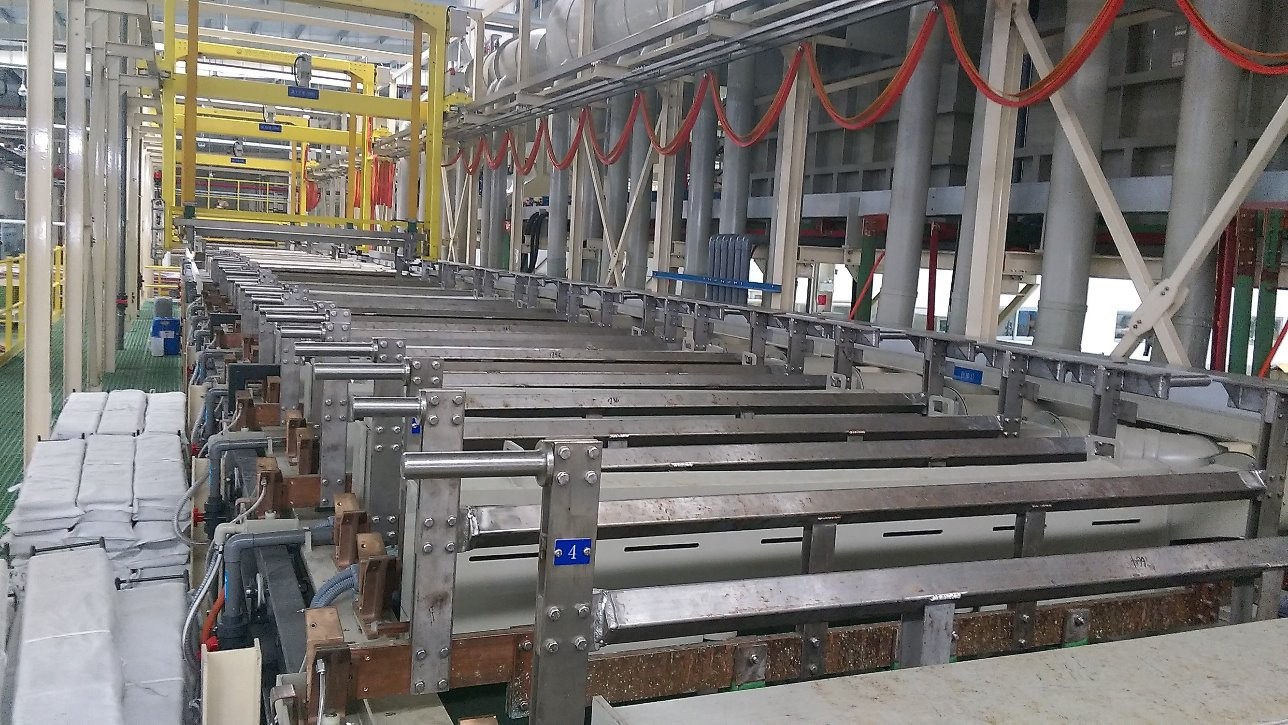
Modern zinc plating facilities increasingly rely on automation to improve efficiency and consistency.
Automated plating lines allow manufacturers to process large volumes of parts while maintaining precise control over plating conditions.
Automation also helps improve:
- Process consistency
- Quality control
- Production speed
- Environmental compliance
Specialized plating companies invest heavily in automated systems to ensure reliable results for industrial customers.
Why Expertise Matters in Zinc Plating
Although zinc plating may appear straightforward, the process requires precise control over chemical composition, electrical current, temperature, and timing.
Even small process variations can cause plating defects such as:
- Uneven coatings
- Peeling or blistering
- Poor corrosion resistance
This is why many manufacturers rely on experienced zinc plating specialists such as Plateco, Inc. that focus exclusively on zinc plating processes and quality control.
Specialized plating facilities combine engineering expertise with advanced equipment to deliver consistent results across large production volumes.
The Future of Industrial Zinc Plating
As industries continue to demand more durable and corrosion-resistant components, zinc plating technology continues to evolve.
Modern plating facilities are adopting innovations such as:
- Automated plating lines
- Environmentally friendly chemical systems
- Advanced process monitoring
- Improved corrosion-resistant coatings
These advancements ensure that zinc plating will remain one of the most important metal finishing processes used in industrial manufacturing.
The Importance of Zinc Plating in Modern Manufacturing
Zinc plating is a critical metal finishing process used to protect steel components from corrosion and extend their service life. The industrial zinc plating process involves several stages, including cleaning, pickling, electroplating, chromate coating, and quality inspection.
By applying a protective zinc coating, manufacturers can dramatically improve the durability and reliability of steel parts used in automotive systems, construction hardware, industrial machinery, and electronics.
With the help of experienced plating specialists such as Plateco, Inc., manufacturers can ensure that their components receive consistent, high-quality corrosion protection.
As manufacturing technology continues to evolve, zinc plating will remain an essential process for producing reliable and long-lasting metal components.