

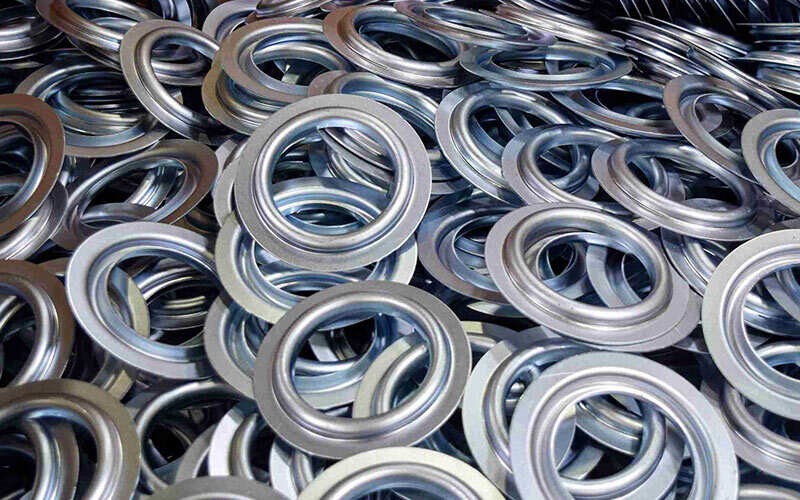
Corrosion is one of the biggest challenges in manufacturing. Steel components used in automotive systems, construction equipment, industrial machinery, and consumer products can deteriorate quickly when exposed to moisture, oxygen, and harsh environmental conditions.
To prevent this damage, manufacturers rely on protective metal finishing processes—one of the most effective being zinc plating. This process involves applying a thin layer of zinc onto steel or iron components to improve corrosion resistance, durability, and performance.
Zinc plating has become one of the most widely used finishing processes across modern manufacturing industries because it provides reliable protection while remaining cost-effective and scalable for large production volumes.
Companies such as Plateco, Inc. specialize exclusively in zinc plating, focusing on advanced processes, automation, and strict quality control to ensure consistently plated components for manufacturers.
This guide explains everything you need to know about zinc plating, including how the process works, the different types of zinc plating methods available, and the industries where zinc-coated components are commonly used.
What Is Zinc Plating?
Zinc plating is a metal finishing process that deposits a thin protective coating of zinc onto the surface of steel or iron components. The zinc layer acts as a protective barrier that prevents environmental elements such as water, oxygen, and salt from reaching the base metal.
The primary purpose of zinc plating is corrosion protection. However, it also provides additional benefits such as improved appearance, increased durability, and better performance in industrial environments.
One of the key reasons zinc plating is so effective is because zinc acts as a sacrificial metal. Instead of the steel underneath corroding first, the zinc layer corrodes instead, protecting the base metal.
This sacrificial protection continues to work even if the zinc coating becomes scratched or damaged. The zinc still protects exposed steel through electrochemical reactions.
According to plating experts, zinc coatings are typically combined with additional protective layers such as passivates and sealers to improve corrosion resistance and durability.
Because of these protective qualities, zinc plating has become a standard finishing solution for manufacturers producing high-volume metal parts.
Why Zinc Plating Is So Important in Manufacturing
Many industries rely heavily on steel components because steel is strong, durable, and cost-effective. However, untreated steel is highly susceptible to corrosion.
Even minor exposure to moisture can cause rust to develop, which weakens metal parts and reduces their lifespan.
Zinc plating solves this problem by creating a protective coating that dramatically increases the service life of metal components.
The benefits of zinc plating include:
1. Corrosion Resistance
Zinc protects steel by forming a barrier that prevents oxidation and rust formation.
2. Sacrificial Protection
Even if the coating is damaged, zinc corrodes before steel, preserving the base metal.
3. Cost Efficiency
Compared to materials like stainless steel, zinc plating offers a much more affordable corrosion protection solution.
4. High-Volume Production Compatibility
Zinc plating works well with automated systems that process thousands of parts efficiently.
5. Improved Appearance
Zinc plating produces bright finishes that improve the appearance of metal components.
Because of these advantages, zinc plating has become essential in industries that require corrosion-resistant metal parts.
The Zinc Plating Process Explained
Zinc plating is a carefully controlled electrochemical process that involves several stages. Each step is critical for ensuring strong adhesion, consistent coating thickness, and long-term durability.
While the exact process may vary between plating facilities, the general steps remain similar.
1. Surface Preparation and Cleaning
The first step in zinc plating is cleaning the metal surface. Steel components often contain oils, dirt, oxidation, or manufacturing residues that must be removed before plating.
If contaminants remain on the surface, zinc will not adhere properly.
Cleaning processes typically include:
- Alkaline cleaning
- Degreasing
- Acid pickling
- Multiple rinse stages
Many advanced plating facilities use multiple cleaning stages to ensure surfaces are completely free from contaminants before plating begins.
Proper cleaning is one of the most important factors for achieving high-quality plating results.
2. Electroplating
Once the surface is clean, parts are placed into a plating bath containing zinc ions.
An electrical current is passed through the bath, causing zinc ions to bond to the surface of the steel component. This electrochemical reaction forms a thin, uniform zinc coating.
Electroplating allows plating engineers to precisely control coating thickness and deposition rates.
3. Barrel Plating for Small Parts
Many industrial parts are small components such as screws, washers, nuts, and fasteners.
For these parts, manufacturers commonly use barrel electroplating.
In this process, parts are placed into rotating barrels that tumble while submerged in the plating bath. The movement ensures that all surfaces are evenly coated with zinc.
Barrel plating is especially effective for processing large volumes of small parts.
Facilities like Plateco, Inc. operate automated barrel electroplating lines capable of plating hundreds of pounds of small steel parts per batch.
This makes barrel plating one of the most efficient and economical plating methods for high-volume production.
4. Rack Plating for Large or Complex Parts
Some metal parts are too large or delicate for barrel plating.
In these cases, plating facilities use rack electroplating.
Parts are mounted onto racks and submerged into the plating bath, allowing better control over coating thickness and surface finish.
Rack plating is ideal for:
- Large components
- Complex geometries
- Parts requiring high cosmetic quality
Advanced rack plating systems can handle parts weighing hundreds of pounds while maintaining consistent coating coverage.
5. Passivation and Post-Treatment
After plating, additional treatments are often applied to improve corrosion resistance and appearance.
These treatments may include:
- Trivalent chromate coatings
- Black chromate finishes
- Yellow chromate finishes
- Protective sealers
These layers protect the zinc itself from corrosion and extend the lifespan of the coating.
6. Quality Inspection and Testing
Before plated components are shipped to customers, they undergo rigorous quality inspections.
Testing may include:
- Coating thickness measurements
- Adhesion testing
- Salt spray testing
- Visual inspection
High-quality plating companies implement strict quality systems to ensure every part meets required specifications.
For example, some plating specialists maintain extremely low product rejection rates through automated monitoring and quality control systems.
Types of Zinc Plating
Different zinc plating methods are designed to meet specific performance requirements.
Below are some of the most common types of zinc plating used in industrial manufacturing.
Standard Zinc Plating
Standard zinc electroplating is the most commonly used type.
It provides reliable corrosion protection for steel components used in general industrial applications.
This process is commonly used for:
- Fasteners
- Hardware
- Automotive parts
- Industrial components
Zinc-Nickel Plating
Zinc-nickel plating adds nickel to the zinc coating, significantly increasing corrosion resistance.
This alloy coating is commonly used in industries that require extreme durability.
Examples include:
- Automotive brake systems
- Aerospace components
- Heavy equipment hardware
Zinc-nickel coatings can provide much longer corrosion protection compared to standard zinc plating.
Zinc-Iron Plating
Zinc-iron coatings contain a small percentage of iron.
This combination improves paint adhesion, making it suitable for parts that will receive additional coatings.
Zinc-Cobalt Plating
Zinc-cobalt coatings provide enhanced hardness and wear resistance.
This type of plating is often used for components exposed to friction or mechanical stress.
Mechanical Zinc Plating
Mechanical plating is a non-electrical process that uses mechanical tumbling to bond zinc particles to steel parts.
This method is especially useful for high-strength fasteners because it avoids hydrogen embrittlement.
Zinc Plating vs. Galvanizing
Zinc plating is sometimes confused with galvanizing.
While both processes apply zinc coatings to steel, the techniques and results differ significantly.
| Feature | Zinc Plating | Galvanizing |
| Process | Electroplating | Hot-dip coating |
| Coating thickness | Thin | Thick |
| Appearance | Smooth | Rough |
| Applications | Small parts | Large structures |
Zinc plating is typically used for precision components, while galvanizing is used for large structural steel.
Industries That Use Zinc Plating
Zinc plating plays a critical role in many industries that rely on steel components.
Automotive Industry
Automotive manufacturers rely heavily on zinc plating to protect components from corrosion caused by road salt and moisture.
Common plated components include:
- Fasteners
- Brackets
- Brake components
- Engine hardware
Construction Industry
Construction equipment and structural hardware must withstand harsh environmental conditions.
Zinc plating helps protect components such as:
- Bolts
- Steel brackets
- Roofing hardware
- Fastening systems
Industrial Equipment Manufacturing
Machinery manufacturers use zinc plating to protect mechanical parts from corrosion and wear.
Examples include:
- Machine fasteners
- Assembly hardware
- Industrial brackets
Electronics Industry
Many electrical connectors and metal components in electronics require corrosion protection while maintaining conductivity.
Zinc plating is commonly used in:
- Electrical connectors
- Terminal hardware
- Electronic housings
Why Specialized Zinc Plating Companies Matter
Although zinc plating may appear simple, the process is extremely complex and requires precise control over chemistry, electrical current, cleaning, and process timing.
Companies like Plateco, Inc. focus exclusively on zinc plating rather than offering multiple finishing services. This specialization allows them to invest heavily in advanced plating technologies, automation, and engineering expertise.
Such facilities often operate multiple plating processes including:
- Zinc rack electroplating
- Zinc barrel electroplating
- Mechanical galvanizing
By combining automation with meticulous process control, plating specialists can deliver consistent, high-quality results for manufacturers.
The Future of Zinc Plating
As industries demand more corrosion-resistant components, zinc plating technology continues to evolve.
Modern plating facilities now incorporate:
- Fully automated plating lines
- Advanced monitoring systems
- Environmentally compliant chemical processes
- High-efficiency cleaning systems
Automation also allows plating companies to maintain consistent quality while processing large production volumes.
These technological improvements ensure that zinc plating remains one of the most reliable metal finishing solutions available.
Key Takeaways on Zinc Plating
Zinc plating is one of the most important corrosion-protection processes used in modern manufacturing. By applying a thin layer of zinc onto steel components, manufacturers can dramatically extend the lifespan of parts while maintaining affordability and production efficiency.
The zinc plating process involves careful surface preparation, electroplating, passivation, and quality testing to ensure durable coatings.
Different plating types including barrel plating, rack plating, and mechanical galvanizing—allow manufacturers to choose the best solution for their specific components and performance requirements.
Companies like Plateco, Inc. demonstrate how specialized expertise, advanced automation, and rigorous quality control can produce consistent, high-quality zinc-plated components for a wide range of industries.
As corrosion protection continues to be a major concern across manufacturing sectors, zinc plating will remain a critical finishing process for protecting metal parts and ensuring long-term reliability.